Color science,
not a look button.
You already speak ACES, log, and gamut. Cineon gives you a physically-based film engine with an ACES-aware pipeline and grain modeled from silver-halide statistics — the modern descendant of the Cineon format that started it all.
Use every effect free. No credit card required.
Loved by 12,000+ photographers — and counting
Built for people who know color
A film engine that respects the pipeline.
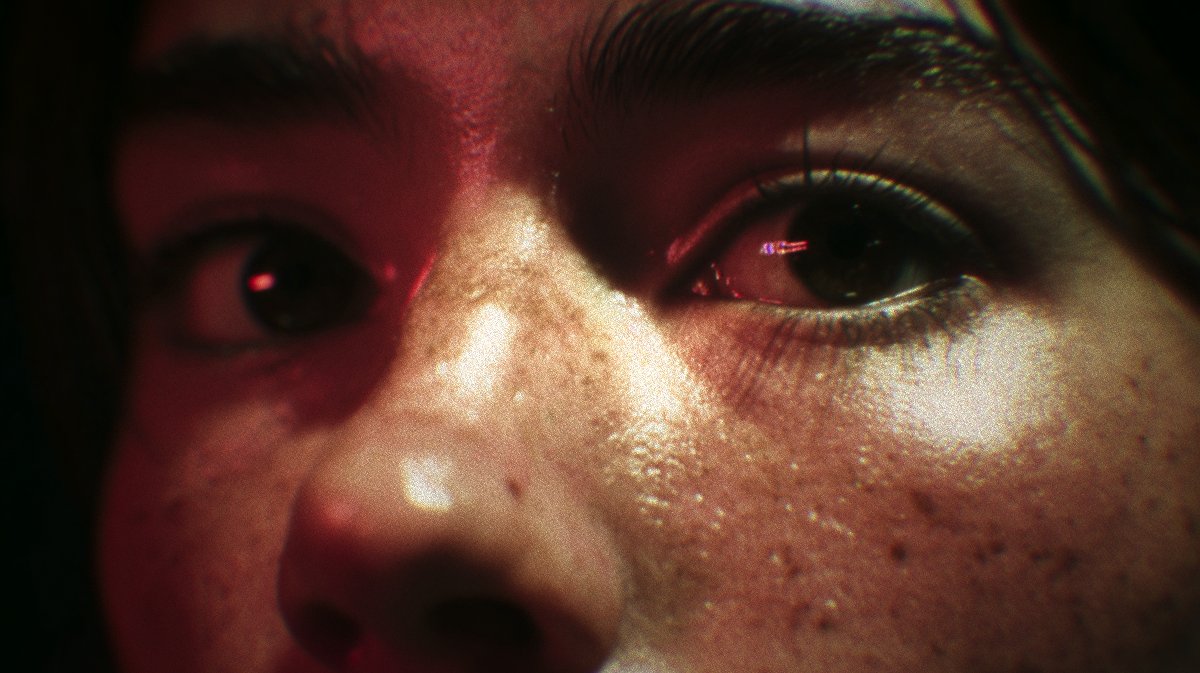
Physically-based grain
Grain from silver-halide statistics, not a noise plate.
The grain model is built on the chemistry of the emulsion — crystals reacting to exposure — the same science published in peer-reviewed imaging research. It moves with the image instead of floating over it.

ACES-aware, reorderable chains
Stack and reorder every node, with no fixed pipeline.
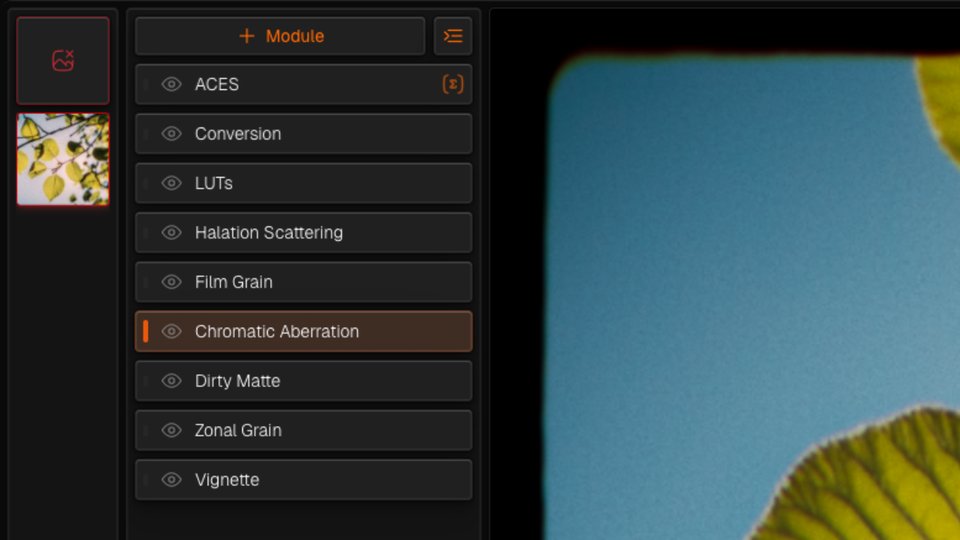
Exposure, ACES transforms, conversion, LUTs, halation scattering, zonal grain, optical character — build the chain, reorder it, break it apart. Cineon descends from the original Cineon film-scan format, so color is handled the way a real pipeline should: log-conscious and gamut-correct, not a LUT slapped on at the end.
Built for iteration
Prototype a look without leaving the tab.
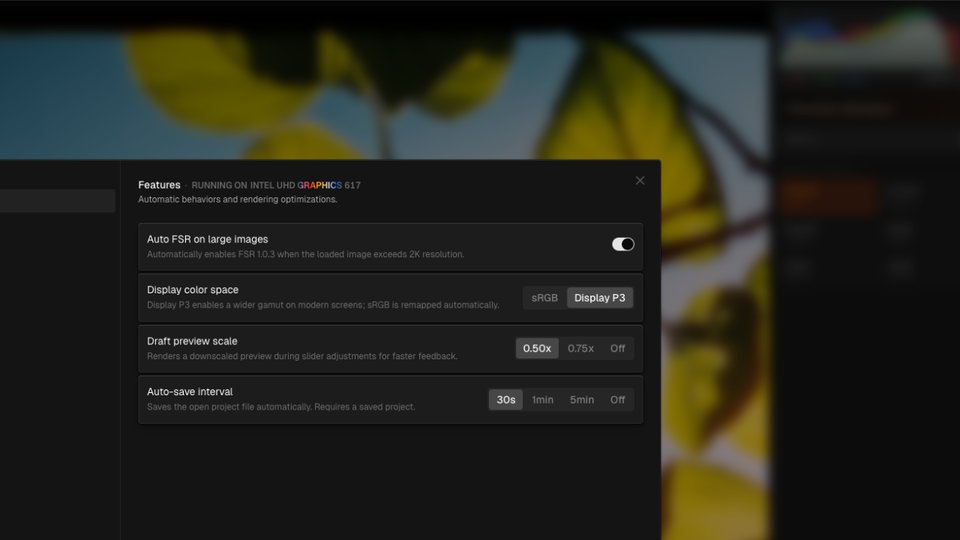
Switch between frames instantly, work at draft resolution while the full-quality result renders, and save the node tree as a preset to carry your house look across every project. No round-trip to a desktop suite.
Every module
34 modules, in the order light meets them.
Results
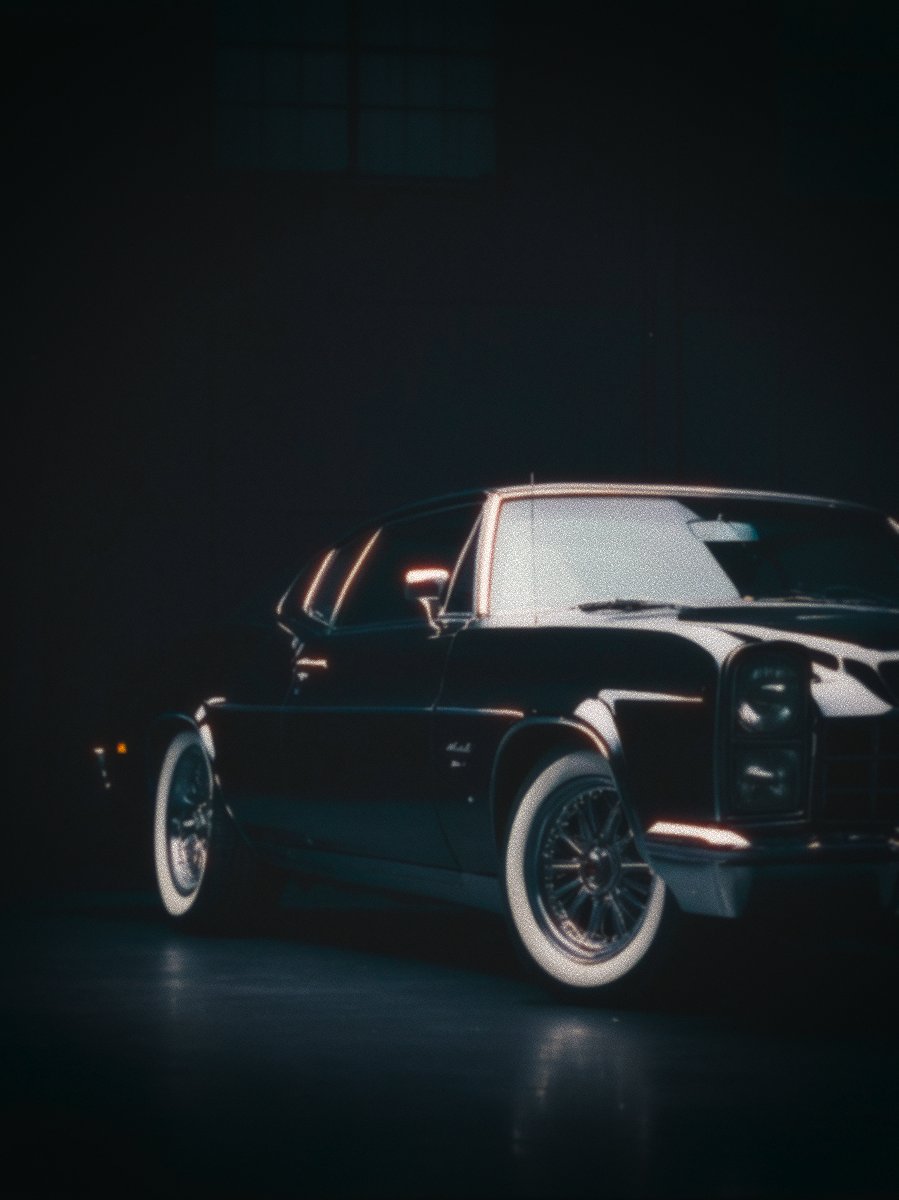
Shot once, processed forever.














The honest comparison
Cineon vs. the usual suspects
From filmmakers & colorists
Tools that respect how color actually works
“Most 'film looks' are a LUT and a prayer. Cineon is the first browser tool that handles ACES like it means it. The grain is silver-halide, not a plate.”
“Reorderable nodes in a browser. I build my house look once and it travels with me.”
“The log-aware handling is correct. I stopped fighting my grade halfway through.”
“CineStill 800T character without the round-trip to a desktop suite. Wild.”
“Grain that reacts to exposure instead of sitting on top. You can tell whoever built this knows film.”
“I prototype looks in Cineon before I commit in my NLE. It's that fast and that accurate.”
“The lineage to the original Cineon format isn't marketing — the pipeline actually behaves.”
Pricing
Every effect is free. You pay to export
No account, no card, no watermark on what you're editing. Cancel whenever.
Cineon Pro
- Watermark-free exports
- Full-resolution exports (no cap)
- 16/32-bit TIFF for color grading
- Unlimited image slots + batch export
- Save & reuse custom presets
- All future in-browser features
Cineon Pro
−38%$10.00/month billed annually — save $72 a year.
- Watermark-free exports
- Full-resolution exports (no cap)
- 16/32-bit TIFF for color grading
- Unlimited image slots + batch export
- Save & reuse custom presets
- All future in-browser features
Your work deserves real color science
Built for people who care how color actually works — not another look button. Get in early and open the pipeline in Cineon.
Use every effect free. No credit card required.
Affiliate program
Love Cineon? Get paid to share it.
Earn 20% on every plan you refer — recurring for up to 12 months on subscriptions, paid once on lifetime. Paid out automatically through Stripe, no minimum.
- 1.
All effects in Cineon run on the iGPU and GPU via WebGPU — including halation, film grain, exposure, bloom, and color science tools. A modern browser with WebGPU support is required: Chrome 113 or later, or Microsoft Edge 113 or later. Firefox and Safari do not yet support WebGPU and are not supported.
- 2.
Cineon runs entirely in your browser — no software to install, no files sent to a server. Your photos stay on your device at all times.
- 3.
Minimum setup: 8 GB RAM and a graphics chip with WebGPU support — such as an Intel Iris Xe, AMD Radeon RX 5000 series, NVIDIA GTX 1060, or Apple M1. For comfortable editing of large RAW files and HDR images, 16 GB RAM and a dedicated GPU — such as an NVIDIA RTX 3060, AMD RX 6700 XT, or Apple M2 Pro — are recommended. Apple Silicon Macs (M1 and later) run Cineon exceptionally well.
- 4.
Every effect in Cineon is processed at the highest internal precision available — the equivalent of a 32-bit professional editing workflow — so there is no quality loss between effects, no matter how many you stack.
- 5.
HDR photos are supported natively, including files from iPhone (HEIC), professional cameras (TIFF), and high-end scanning workflows (OpenEXR). Standard JPEG, PNG, and WebP files are fully supported as well.
- 6.
Export is available in TIFF 16-bit and TIFF 32-bit — lossless formats accepted by Photoshop, Lightroom, Affinity Photo, and other professional software. JPEG, PNG, and WebP export is also available for sharing and web use.
- 7.
Our Film Grain models the actual chemical behavior of silver halide crystals in photographic emulsion — the same underlying science published in peer-reviewed imaging research — rather than applying a simple texture overlay. The result is grain that responds to light, shadow, and color the way real film does.
- 8.
Optical Engine simulates the physical behavior of real camera lenses, including how light bends through glass at different wavelengths. The colored fringing, focus falloff, and bokeh shape you see are derived from ray-by-ray calculations — not artistic presets.
- 9.
Processing speed depends on your computer, the resolution of your photo, and the number of effects active. A draft preview at reduced resolution is always available while the full-quality result is being calculated in the background.
- 10.
Some multi-threaded performance features require a browser context with cross-origin isolation enabled. This is active on cineon.app and has no impact on how you use the app.
- 11.
Cineon is designed for desktop use. A screen width of at least 1280px is recommended for the full editing interface. Mobile browsing is supported for account access and light previewing.